Introduction
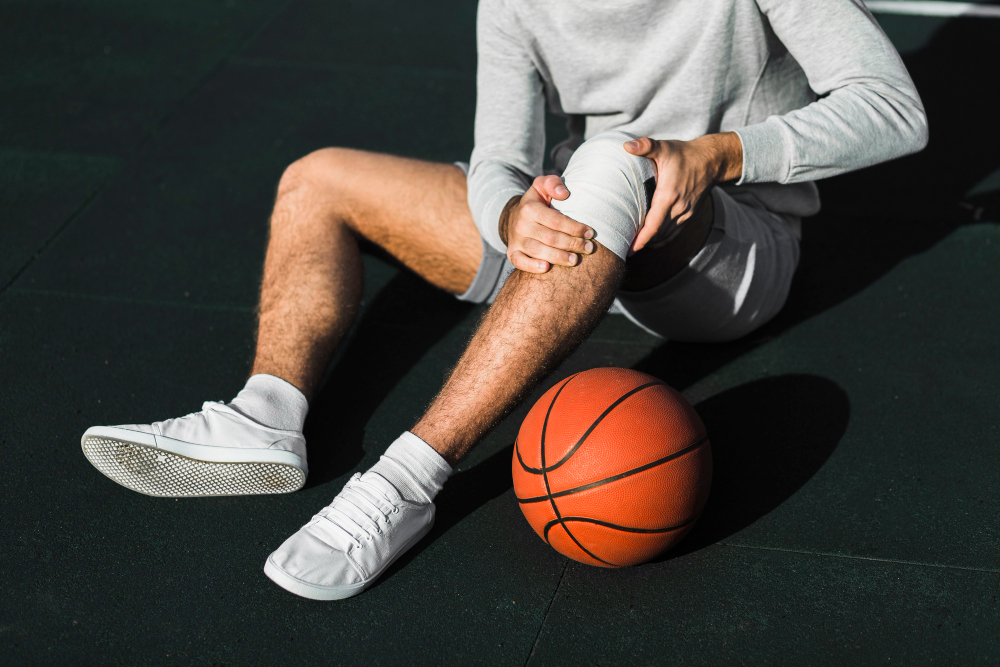
Sports injuries can happen to anyone, whether you are a beginner or a professional athlete. These injuries often occur during exercise, training, or games. Because sports injuries can affect your daily life, it is important to know their symptoms, causes, and how to prevent them. In this blog, you will learn about sports injury symptoms, diagnosis, treatment options, and tips for prevention. This information is based on trusted sources like the CDC and WHO.
Common Symptoms of Sports Injuries
Recognizing sports injury symptoms early can help you get the right care. Some injuries are mild, while others need quick attention. Here are common signs to watch for:
Sometimes, symptoms appear right away. However, they may also develop slowly over time. If you notice any of these signs, it is wise to rest and seek advice.
Major Causes
Sports injuries can happen for many reasons. Often, they result from accidents or overuse. Below are some common causes:
For example, running without proper shoes can lead to foot injuries. In addition, skipping warm-ups may increase your risk of muscle strains.
Diagnosis Methods
Doctors use several methods to diagnose sports injuries. First, they ask about your symptoms and how the injury happened. Next, they perform a physical exam. Sometimes, they may order tests to get a clearer picture. Common tests include:
Early diagnosis helps you start the right treatment. Therefore, do not delay seeing a doctor if you suspect a serious injury.
Treatment Options
Treatment for sports injuries depends on the type and severity. Many mild injuries heal with simple care at home. However, some may need medical help. Common treatment options include:
Always follow your doctor’s advice for the best results. In some cases, you may need a specialist for advanced care.
Prevention Tips
Preventing sports injuries is possible with a few simple steps. Here are some tips on how to prevent sports injuries:
By following these tips, you can lower your risk and enjoy sports safely.
Lifestyle Guidance for Recovery
Recovering from sports injuries takes time and patience. But with the right steps, you can heal well. Consider these lifestyle tips:
Moreover, talk to your doctor before resuming any activity. This helps prevent re-injury.
When to See a Doctor
Some sports injuries need quick medical care. You should see a doctor if you have:
Early treatment can prevent long-term problems, so do not wait if you’re unsure about your injury.
In summary, understanding sports injuries helps you stay safe and recover faster. For personalised guidance, consult Dr. Jaideep Singh Sardar, an expert orthopaedic specialist, for timely care and professional advice.